
"Ethiopian coffee grades"
2000 article(s) found

A brief introduction to the Origin, Development, History and Culture of aromatic High-quality Ethiopian Coffee beans
It is usually a teenage girl who prepares coffee for everyone at home. She first grabbed a handful of light green raw coffee beans, put them in a small iron pot on the charcoal stove, scooped up clean water, and scrubbed them with both hands. Then roast the coffee beans with a small wooden shovel, and soon the coffee beans begin to turn dark black and emit an attractive fragrance. When the girl thought it was time for the fire, she picked up the iron pot handle

A brief introduction to the cultivation of Ethiopian boutique coffee beans with multi-level taste, geographical location, climate and altitude
Even the official research unit of Ethiopia does not know how many Arabica subspecies there are in Ethiopia. The coffee cooperatives in this mountain are certainly different from those planted in another mountain, and even small farmers in the same region grow different varieties of coffee. Like the little Jasper of Suzhou, although she is petite, she is gentle and delicate, sweet and lovely, and can attract ten thousand without any decoration.

Flavor description of Ethiopian Sidamo Lion King Coffee beans introduction to the taste of grinding scale varieties
Flavor description of Ethiopian Sidamo Lion King Coffee is Ethiopia's most important export cash crop and a major source of foreign exchange earnings. Ethiopia's coffee exports account for about 3% of the world market, making it the eighth largest coffee exporter in the world. Coffee exports increased steadily from 58000 tons in 1990 to 1995-1996.

Ethiopian Coffee introduces the grading and quality control system of coffee
Coffee grading and quality control system in Ethiopia, coffee grading and quality control system is divided into three levels: producer, regional and national. All coffee is inspected by local inspection agencies before leaving the country of origin, and then re-tested at the coffee inspection and grading centers in Addis and Diredawa to determine its quality grade. Coffee is graded before auction and sale

A brief introduction to the treatment method of grinding degree and baking degree of Ethiopian fine coffee beans of flower-scented apricot
Even the official research unit of Ethiopia does not know how many Arabica subspecies there are in Ethiopia. The coffee cooperatives in this mountain are certainly different from those planted in another mountain, and even small farmers in the same region grow different varieties of coffee. Like the little Jasper of Suzhou, although she is petite, she is gentle and delicate, sweet and lovely, and can attract ten thousand without any decoration.

Introduction to the taste and flavor of Ethiopian coffee
In Ethiopia, the grading and quality control system of coffee is divided into three levels: producer, regional and national. All coffee is inspected by local inspection agencies before leaving the country of origin, and then re-tested at the coffee inspection and grading centers in Addis and Diredawa to determine its quality grade. Coffee is graded before auction and sale, for all involved in production, acquisition,
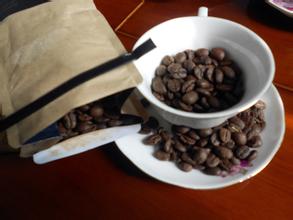
The latest introduction of boutique coffee beans Ethiopian Yejasuefi Coffee
In Ethiopia, the grading and quality control system of coffee is divided into three levels: producer, regional and national. All coffee is inspected by local inspection agencies before leaving the country of origin, and then re-tested at the coffee inspection and grading centers in Addis and Diredawa to determine its quality grade. Coffee is graded before auction and sale, for all involved in production, acquisition,

How to classify coffee beans A brief introduction to the classification standard of Ethiopian defective beans
Professional coffee knowledge exchange more coffee bean information please follow the coffee workshop (Wechat official account cafe_style) front street-defective bean classification system this is the earliest classification method, the main representative countries that use the defective bean proportion method are Ethiopia, Indonesia and so on. Indonesian beans are mainly divided into six grades, namely G1~G6. Ethiopian coffee beans are graded with 300g coffee beans.

Description of Coffee Flavor in Xidamo Shaqiso, Ethiopia, introduction to the price of grinding degree and baking degree
Even the official research unit of Ethiopia does not know how many Arabica subspecies there are in Ethiopia. The coffee cooperatives in this mountain are certainly different from those planted in another mountain, and even small farmers in the same region grow different varieties of coffee. It has been estimated that there are at least 2000 varieties of Ethiopian coffee and even more than 4500 kinds of coffee. Compared to the southern neighbor

How many kinds of coffee beans are there in Ethiopia? Yega snow caffeine Gediyo
Even the official research unit of Ethiopia does not know how many Arabica subspecies there are in Ethiopia. The coffee cooperatives in this mountain are certainly different from those planted in another mountain, and even small farmers in the same region grow different varieties of coffee. It has been estimated that there are at least 2000 varieties of Ethiopian coffee and even more than 4500 kinds of coffee. Compared to the southern neighbor Ken

Introduction of High-quality Coffee in producing areas of Ethiopian Coffee
In Ethiopia, the grading and quality control system of coffee is divided into three levels: producer, regional and national. All coffee is inspected by local inspection agencies before leaving the country of origin, and then re-tested at the coffee inspection and grading centers in Addis and Diredawa to determine its quality grade. Coffee is graded before auction and sale, for all involved in production, acquisition,

Ethiopian coffee flavor with intense nutty aromas. Manor characteristics. Fine coffee medium.
In Ethiopia, coffee classification and quality control systems are divided into producer, regional and national levels. All coffees are inspected by local inspection agencies before they leave the country of origin, and then re-inspected at coffee inspection and grading centres in Addis and Diredova to determine their quality grade. Coffee is graded prior to auction and sale, and all participants in production, acquisition,

Ethiopian Coffee Manor Fine Coffee Bean Origin, Development, History and Culture
It has been estimated that there are at least 2000 varieties of Ethiopian coffee and even more than 4500 kinds of coffee. Compared with the fat posture of Bourbon SL28, the main variety next to Kenya to the south, or Tibica in Central and South America and Asia, Ethiopian beans look a little malnourished. But beans can't be judged by appearance, and Ethiopian coffee has the highest citrus flavor in the world, whether it's instant coffee or

Ethiopian Coffee Flavor Flavor Manor introduces Ethiopian Coffee varieties
Washed coffee accounts for 35% of exports. Good quality washed coffee is processed with freshly picked fully ripe fruit, picked carefully and closely monitored by professionals. The picked clean coffee beans are pulped on the day of picking, then fermented, washed, dried and peeled. The humidity of processed coffee beans is kept at about 12%. Sun-cured coffee accounts for 65% of exports. Mainly by

Taste Unique Ethiopian Yega Shefi Cochir Estate Coffee Flavor Description Taste Variety Introduction
In Ethiopia, people take pride in coffee and see it as a gift to the world. To this day, many Ethiopian families still maintain the ritual of daily coffee celebrations, with the hostess of each family inviting family and neighbors for coffee more than once a day. In their view, this is a way to show friendship and respect. Ethiopia is a magical land, filled with

Ethiopian Coffee Bean Grades Flavors Introduction
In Ethiopia, coffee classification and quality control systems are divided into producer, regional and national levels. All coffees are inspected by local inspection agencies before they leave the country of origin, and then re-inspected at coffee inspection and grading centres in Addis and Diredova to determine their quality grade. Coffee is graded prior to auction and sale, and all participants in production,
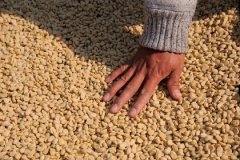
Ethiopian washed Sidama G1 Miyu micro-batch coffee beans flavor characteristics, production areas and brewing ginseng
Professional barista exchanges, please pay attention to coffee workshop (Weixin Official Accounts cafe_style ) Ethiopian coffee beans adopt this grading method according to the proportion of defective beans. Indonesian beans are mainly divided into 6 grades, namely G1G6. Ethiopia also uses this method, the highest grades of washed beans are G1 and G2; the highest grades of sun beans are G1 and G3. Wash: Grade-1;Grade-2 (G1G2) Days
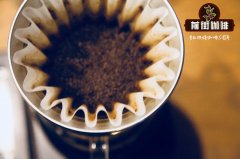
Introduction to the cultivation of coffee beans in Ethiopia _ how to buy coffee beans in Ethiopia
Professional coffee knowledge exchange more coffee bean information please follow the coffee workshop (Wechat official account cafe_style) Ethiopia is located between 3 and 14 degrees north latitude, coffee planting area of nearly 600000 hectares. There are two rainy seasons a year in the south and east of the country, while there is only one rainy season in the west. The distribution of the rainy season is different, so coffee is harvested in Ethiopia all the year round. Coffee

The grade of Ethiopian coffee
The highest grades of Ethiopian washed coffee Yega Chuefei G1 G2 Sidamo (Yirgacheffe, Sidamo) are Grade 2 and Grade 3 (G2, G3), while most of the sun-processed coffee in eastern Ethiopia are Grade 4 or Grade 5 (G4, G5). In many cases, level 4 coffee is marked as level 5 in order to reduce taxes. At present, the grading is not uniform and messy, because there is also sun processing.